







Payments in NZ Deposits & Withdrawals 2026 🇳🇿
Login
For most users, the payment system is where a platform either earns trust or loses it. A site can have attractive promotions, smooth design, and a strong mobile version, but if deposits feel confusing or withdrawals seem slow, the entire experience suffers. In 2026, New Zealand users are paying closer attention to payments than ever before. They want easy deposits, realistic withdrawal timing, clear minimum limits, and fewer surprises when it is time to cash out. That is why the payment process deserves more than a quick glance. It affects every stage of use, from the first deposit to the final payout. A good system should feel simple for beginners and efficient for experienced users. It should also work well across desktop and mobile devices, since many people now handle deposits and withdrawals directly from their phones. The ideal setup is not just fast. It is clear, safe, and predictable.
How Do You Make a Deposit on the Platform?
Making a deposit should be the easiest financial step on the platform. In most cases, the process is built to be quick because the platform wants to reduce friction at the moment a user decides to fund an account. A strong deposit system does not require too many steps, confusing menus, or unclear instructions. It should guide the user smoothly from cashier access to a confirmed balance.
Most deposit flows follow the same general structure. The user logs in, opens the cashier or wallet section, chooses a payment method, enters the amount, confirms the transaction, and waits for the balance to appear. On a well-designed platform, this takes only a few moments. The biggest differences usually come from the payment method selected and whether the user is making a first-time deposit or has already saved payment details from earlier use.
A simple deposit process usually looks like this:
- Log into your account
- Open the payment or cashier section
- Choose a deposit method
- Enter the amount
- Confirm the transaction
- Wait for the balance to update
- Check that the funds appear correctly before continuing
The most important thing is to verify the amount and the payment route before confirming. Many user errors happen not because the platform is broken, but because the person paying moves too fast.
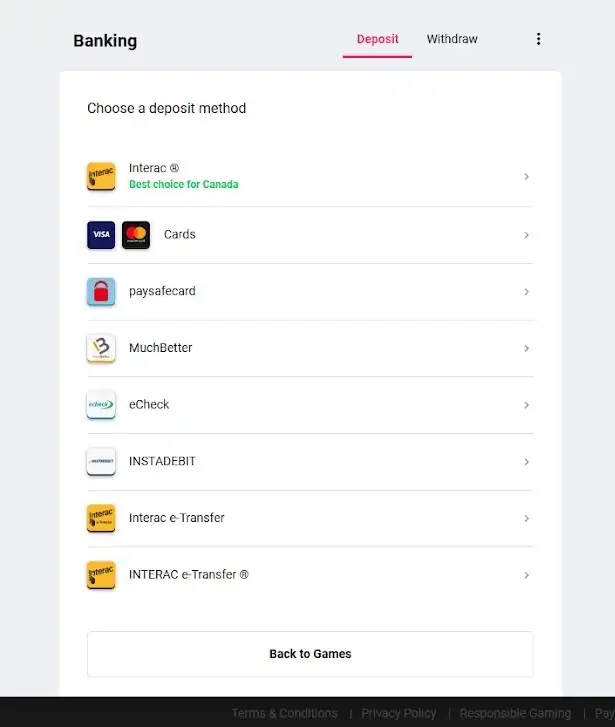
Supported Payment Methods in New Zealand
New Zealand users usually expect a payment system that includes familiar and flexible options. A platform feels more practical when it supports methods people already trust rather than forcing them into something unfamiliar. The strongest payment systems usually mix speed, convenience, and budget control by offering more than one category.
The most common options available to users in New Zealand often include:
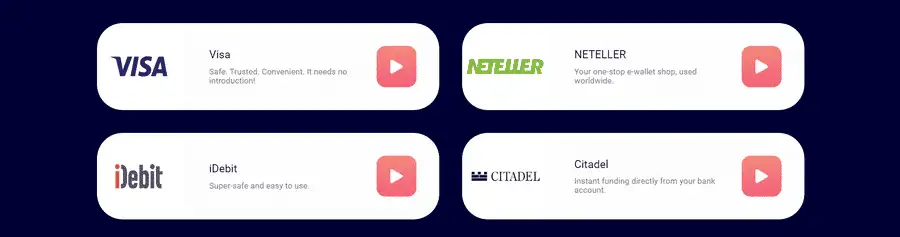
- Credit and debit cards
- E-wallets
- Bank transfers
- Prepaid methods
- Mobile-linked wallet options
Each type has a different advantage. Cards feel familiar. E-wallets often feel faster. Bank transfers are seen as steady and traditional. Prepaid options help some users control spending more carefully.
Main payment method types and their strengths
| Payment type | Main advantage | Best for |
| Credit or debit card | Familiar and widely used | Most everyday users |
| E-wallet | Fast and convenient | Users who value speed |
| Bank transfer | Traditional and stable | Users who prefer direct banking |
| Prepaid method | Better spending control | Budget-conscious users |
| Mobile wallet | Convenient on phones | Mobile-first users |
The best payment system is not the one with the longest list. It is the one where the choices make sense for the way people actually pay.
How Long Do Withdrawals Usually Take?
Withdrawals are where users become most impatient, and for good reason. Deposits are expected to be fast, but withdrawals are judged more harshly because they involve trust. A platform that accepts money instantly but delays payouts too often can quickly damage its reputation.
In reality, withdrawal times depend on more than one factor. Users often focus only on the platform itself, but the method used, account verification, internal approval steps, and banking procedures all affect timing. This is why some users receive funds quickly while others wait longer than expected.
The safest way to think about withdrawals is this: there is a difference between internal processing and final arrival. A platform may approve a transaction quickly, but the payment route can still add delay before the money reaches the user.
Processing Times Explained
Processing times usually break into stages:
- The user submits the withdrawal request
- The platform reviews the request
- Verification may be checked or updated
- The withdrawal is approved internally
- The payment provider completes the transfer
- The money reaches the user account
This is why the same platform can produce different experiences for different users. Someone who is already verified and using a fast method may see very quick results. Someone using a slower route or submitting documents late may wait much longer.
As a general rule:
- E-wallets are often among the faster options
- Cards can be convenient but sometimes slower for payouts
- Bank transfers often feel steadier but may take longer
- First withdrawals are usually slower than later ones because more checks are involved
Users who prepare documents early and choose practical methods usually reduce frustration significantly.
Is the Minimum Deposit Really Low?
Minimum deposit size has a big effect on how approachable a platform feels. A low entry point makes it easier for users to test the system, explore the interface, and decide whether they are comfortable before spending more. A high minimum deposit creates more pressure and can discourage cautious users from even trying the platform.
A truly low minimum deposit is attractive for several reasons:
- It lowers the risk of the first transaction
- It makes the platform more beginner-friendly
- It suits casual users who prefer smaller sessions
- It helps users test payments and game flow before committing more funds
That said, “low” is always relative. A minimum deposit may look small in advertising, but users still need to think about whether it is realistic for their own budget and whether it qualifies for the offers they want to claim.
What Users Should Know Before Paying In
Before making a deposit, users should check more than the amount itself. A low minimum can be helpful, but it does not tell the whole story.
The most important things to check before paying in are:
- Minimum deposit requirement
- Whether the chosen method qualifies for promotions
- Whether verification may be needed later
- Whether there are any currency conversion issues
- Whether the method also supports withdrawals
A common mistake is choosing a convenient deposit route without thinking about the cashout stage. The smoothest experience usually comes when the deposit method and the later withdrawal path work well together.

How Does This Platform Compare to Others in NZ?
Compared with many platforms available to New Zealand users, a strong payment system stands out by being simple rather than flashy. Some competitors overwhelm users with too many methods, unclear timing, or payment pages that look better than they function. Others keep the list short but make the actual process smoother.
The strongest platforms usually have:
- Clear deposit instructions
- Practical payment options
- Realistic withdrawal expectations
- Transparent limits
- A good balance between speed and security
This matters because users do not compare payment systems only by the number of icons shown in the cashier. They compare them by how easy it is to move money in and out without confusion. A smaller but cleaner system often feels better than a large, messy one.
Are There Any Extra Fees or Charges?
Fees are one of the areas users hate most because they often feel hidden until the wrong moment. A platform may advertise convenience, but if charges appear unexpectedly, trust drops quickly. That is why users should always review whether any costs apply to deposits, withdrawals, currency conversion, or repeated transactions.
Possible charge areas include:
- Payment provider fees
- Currency conversion costs
- Bank-side transfer charges
- Extra fees for certain withdrawal routes
- Charges for repeated small transactions
Even when the platform itself does not add a visible fee, the payment method or bank might. That is why users should not assume “no fee” unless they have checked carefully.
Is It Safe and Regulated in New Zealand?
Safety is about more than whether the payment page looks polished. Users want to know whether transactions are protected, whether personal information is handled properly, and whether payout procedures feel legitimate. A trustworthy payment system should combine secure processing, clear verification steps, and a structure that feels consistent rather than chaotic.
When users judge safety, they usually look at:
- Secure payment handling
- Clear account checks
- Reliable payout procedures
- Predictable support response
- Transparent rules around funds
Regulation is a separate but related question. Users should understand whether the platform operates in a locally familiar environment or under an international structure. That difference affects confidence and the sense of consumer protection available.
How Long Does Account Verification Take Before First Payout?
Verification is often the biggest surprise for new users, even though it is one of the most normal parts of online payments. Many people register, deposit, and play without thinking much about verification, then discover at withdrawal stage that identity documents are required. This is why first payouts often take longer than users expect.
Verification may include:
- Proof of identity
- Proof of address
- Payment method confirmation
- Account ownership checks
The exact timing depends on how quickly the user submits correct documents and how efficiently the platform reviews them. If everything matches and the documents are clear, the process can feel manageable. If the user waits too long or sends incomplete files, delay becomes much more likely. The smartest strategy is to verify early, not when the withdrawal is already urgent.
Common Payment Issues Users Face
Even good payment systems can run into problems. Most issues are not dramatic, but they can still frustrate users if they appear at the wrong moment. The good news is that many common payment problems are predictable and avoidable.
The most frequent issues include:
- Deposits not appearing immediately
- Card transactions failing
- E-wallet mismatches
- Withdrawal requests pending longer than expected
- Verification delays
- Currency confusion
- Method not available for both deposit and withdrawal
In many cases, the issue is not a serious system failure. It may simply be a timing delay, a bank-side block, or a missing document. The key is to stay calm and check the likely causes before assuming the platform is at fault.

Card vs E-Wallet vs Bank Transfer – What’s Best?
There is no universal best method because the right choice depends on what the user values most. Some people care most about speed. Others care about familiarity, security, or budgeting control. The smartest payment choice is the one that fits the user’s habits and expectations, not the one that simply sounds fastest.
Cards are best for users who:
- Want a familiar option
- Prefer direct payment from everyday banking
- Value convenience over complexity
E-wallets are best for users who:
- Want quicker movement of funds
- Prefer separating platform transactions from a main bank account
- Use mobile devices often
Bank transfers are best for users who:
- Trust direct banking most
- Prefer a traditional route
- Do not mind waiting longer for some transactions
Card vs e-wallet vs bank transfer
| Method | Strength | Weakness | Best for |
| Card | Familiar and simple | Withdrawals may feel slower | Everyday users |
| E-wallet | Often faster and mobile-friendly | Not everyone uses one | Speed-focused users |
| Bank transfer | Stable and traditional | Can take longer | Cautious users |
A lot of frustration can be avoided by matching the method to the user’s real priorities instead of chasing the “best” option in general terms.
Final Verdict – Is This Payment System Convenient?
A payment system is convenient when it feels easy to understand, easy to use, and easy to trust. That means low confusion, practical deposit limits, reliable payout handling, and enough payment variety to suit different types of users. Convenience is not only about speed. It is also about confidence. If a user knows what to expect, even a slower withdrawal can feel acceptable.
The best payment systems usually succeed because they combine:
- Simple deposits
- Reasonable minimums
- Clear payout stages
- Strong verification logic
- Flexible payment choice
- Predictable user experience

For most users, a payment system becomes convenient not when everything is instant, but when nothing feels unclear.
FAQ About Payments
That usually depends on the platform and the methods available, but e-wallets are often among the quicker payout options. The actual speed still depends on account checks and internal approval.
Yes, most platforms use a minimum deposit requirement. The exact figure can vary, which is why users should always check the cashier before paying in.
This depends on the nature of the activity and the user’s wider financial situation. Ordinary users should not assume every payment creates a tax issue, but anyone unsure should check the current rules that apply to their circumstances.